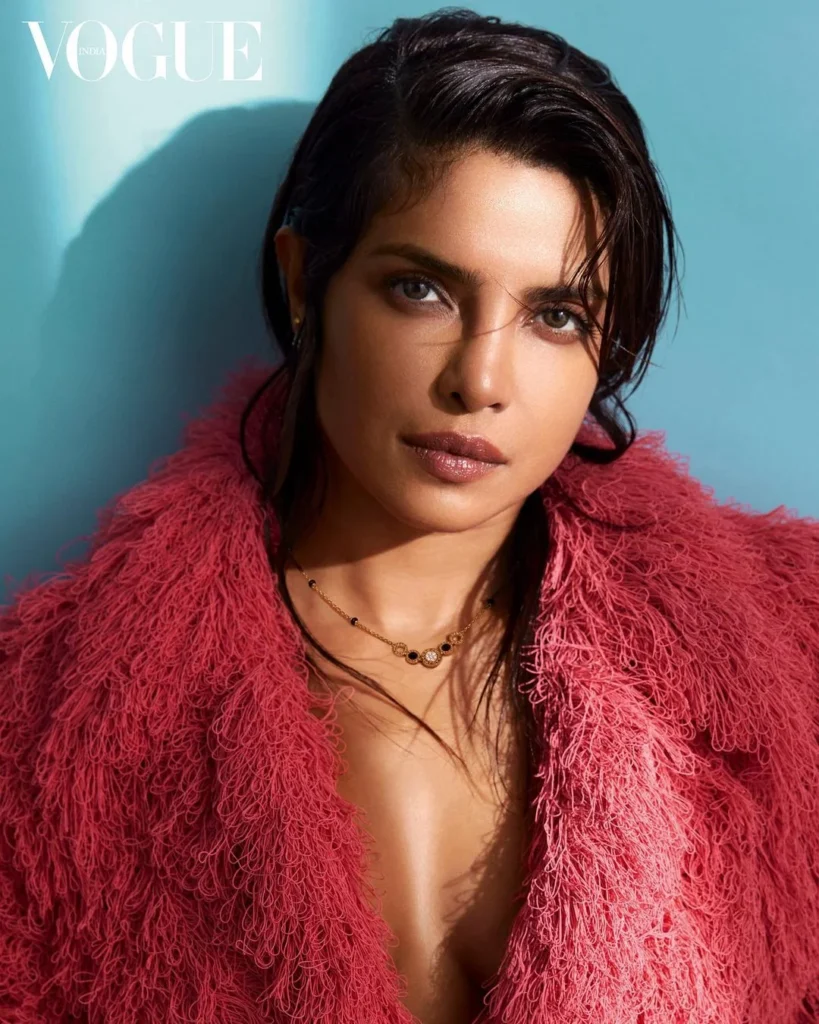
For Indian women, mangalsutra is not new. It is one of the most sacred symbols of marriage, an ornament dedicated to continuity and the institution. But when Bvlgari, the Italian luxury house unveiled its take on the ornament, it wasn’t just a jewelry launch. It was a moment of cultural translation.
So what’s the strategy behind the sparkle? (I’m an MBA student, I gotta use those words!)
Bvlgari’s mangalsutra (18kt gold, black onyx and pavé diamonds), priced at $5,650, is more than a design experiment. It’s an evidence and evidently a masterclass in strategic localization. Global brands have been eyeing India’s luxury potential for long, but few have managed to strike the right cultural chord.
According to Bain & Company, India’s personal luxury market crossed $8.5 billion in 2024, projected to double by 2030. The new luxury buyer is not the royal heir or the traditional elite, it’s the digitally empowered, globally exposed, first-generation wealth creator. This audience seeks pieces that carry meaning, not just logos.
The Indian consumer’s relationship with luxury has evolved from ownership to expression. The psychology at play is rooted in what behavioral theorists call post-materialist consumption, where purchases express values and personal narratives rather than social hierarchies.
Bvlgari isn’t alone in the movement of cultural luxe. From Dior’s 2023 Mumbai show to Gucci’s take on saree drape at Cannes Film Festival 2025, luxury brands are finally seeing India not as a market to enter, but as a culture to engage with.
In the end, Bvlgari didn’t sell a necklace, it sold a story. And luxury, at its best, is about storytelling, symbolism, and status.
Img courtesy: Vogue India